If you’re the person signing off on a CES budget, you’re probably getting updates about design concepts, renderings, and creative direction. What you’re less likely to be getting is a clear picture of how long it actually takes to turn an approved design into a physical structure and that gap in visibility is where a lot of CES budgets quietly go sideways. This isn’t a logistics explainer for the people managing your booth day-to-day. It’s what a decision-maker actually needs to know before signing off on a timeline someone else put together.
Why This Matters to You, Specifically
As the person accountable for the outcome, you’re the one who answers for a delayed shipment, a rushed build, or a last-minute budget increase, even though you may never personally touch a fabrication schedule. The teams managing trade show exhibit fabrication day-to-day understand the process intimately. What they don’t always do well is translate that process into terms that help you evaluate whether a proposed timeline is actually realistic, or just optimistic.

That translation is what this is for.
The Question Behind the Question
When someone brings you a CES timeline for approval, the real question isn’t “does this fit before January 6.” It’s “does this leave enough room to absorb a normal, expected hiccup without blowing the budget or compromising quality.” Almost every project has at least one surprise, a material delay, a design revision that takes longer than planned, a shipping hiccup. The difference between a smooth project and a stressful one usually comes down to whether the original timeline had room for that surprise, or assumed everything would go perfectly.
What’s Actually Happening During “Fabrication”
You don’t need to manage this process, but understanding its shape helps you ask better questions when a timeline crosses your desk.
Materials get ordered and sourced. Standard materials move fast. Anything custom, a specific finish, a branded color match, a particular hardware component, can introduce delay if a supplier is backlogged. This is usually invisible to you unless something goes wrong.
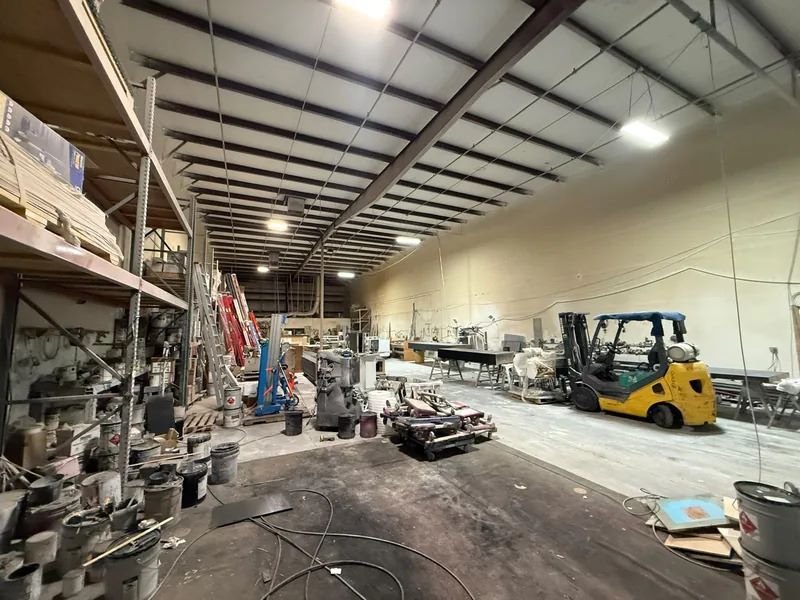
The structure gets built. This is the core of tradeshow booth fabrication: cutting, assembling, and finishing. Complexity drives timeline here more than almost anything else, a modular system with light customization moves faster than a fully bespoke, multi-level structure.
Graphics get produced, generally in parallel with structural work, which helps keep the overall schedule tighter.
Quality control happens, or should. A reputable shop assembles the booth, or its major pieces, before anything ships, confirming fit and finish while there’s still time to fix a problem. This step gets compressed first when a timeline is too tight, which is exactly the wrong place to cut.
The structure ships. Advance warehouse shipping builds in a buffer before the show opens. Direct-to-show shipping is faster to start but leaves far less room for delay.
The Real-World Range
For anything beyond a simple rental, trade show display fabrication typically runs eight to twelve weeks once design is locked, and that’s before counting the design phase itself. If someone brings you a plan where total time from “let’s start” to “booth ships” is six weeks or less, that’s worth a direct conversation, not an automatic approval.
Questions Worth Asking Before You Sign Off
You don’t need to become a fabrication expert. You need a short list of questions that reveal whether a timeline has genuine margin in it:
- “What happens if a material we’ve specified is delayed?” A team with a real answer has thought about this. A team that seems surprised by the question hasn’t.
- “Is quality control a scheduled step, or something we do if there’s time?” This single answer tells you a lot about how much risk is built into the plan.
- “How far from Las Vegas is this being fabricated and shipped from?” Distance is a real variable in both cost and risk, and it’s one a lot of proposals gloss over.
- “What’s our actual buffer if something takes longer than expected?” If the honest answer is “none,” you’re approving a plan with no room for anything to go wrong.
Why This Is Worth Your Attention as a Decision-Maker
It’s tempting to delegate all of this to the team closest to the work and simply approve whatever timeline they bring you. That’s reasonable most of the time. But the fabrication timeline is one of the few places in the entire CES process where a decision made months in advance, how much lead time to allow, directly determines how much flexibility exists later, when it’s needed most. By the time a problem surfaces during fabrication, the options for solving it without cost or compromise are already limited. The leverage exists earlier, in the approval you give at the start.
What a Trustworthy Timeline Looks Like
A tradeshow booth designer or fabrication partner worth trusting with your CES budget will typically:
- Walk you through the timeline in stages, not just a single end date
- Flag where the tightest points are, rather than presenting everything as equally comfortable
- Be specific about what buffer exists and where
- Tell you plainly if a requested date isn’t realistic, rather than agreeing and hoping it works out
If a proposal is vague about any of this, that vagueness is information. It’s usually easier to get a straight answer before you’ve committed than after.
The Bottom Line

You don’t need to manage the fabrication process yourself, but you do need enough visibility into it to make a genuinely informed decision when a timeline lands on your desk. Understanding what actually happens between design approval and show week and knowing which questions reveal whether a plan has real margin in it, is what separates a confident sign-off from an optimistic one. The fabrication timeline rarely gets discussed at the decision-maker level, which is exactly why it’s worth five extra minutes of your attention before you approve it.