Industrial finishing operations rely on specialized tools to achieve precise surface textures on rollers, metal parts, and manufacturing equipment. A rubber abrasive wheel serves as a versatile grinding and finishing tool, combining flexible rubber bonding material with embedded abrasive grains to deliver controlled material removal. This article explains how these wheels function, common applications, and factors that influence performance in industrial settings.
How Rubber Abrasive Wheels Are Constructed
Manufacturers typically bond abrasive grains such as aluminum oxide or silicon carbide within a rubber matrix, creating a wheel that combines cutting ability with flexibility. A rubber abrasive wheel differs from rigid ceramic or resin-bonded wheels because the rubber binder allows slight deformation during contact with the workpiece, producing a smoother, more controlled finish. This flexibility helps distribute pressure evenly across curved or uneven surfaces, reducing the risk of gouging or uneven wear patterns. The specific rubber formulation and grain type used can be adjusted depending on the hardness of the material being finished.
Common Industrial Applications
These wheels are frequently used in roll grinding operations, where achieving a consistent surface texture on large industrial rollers is essential for downstream manufacturing quality. A rubber abrasive wheel is often selected for finishing tasks that require a fine, polished surface rather than aggressive material removal, making it well suited for final-stage grinding passes. Metalworking shops also use these wheels for deburring, blending weld seams, and general surface conditioning across a range of ferrous and non-ferrous metals. Their adaptability makes them a staple tool across roll manufacturing, automotive parts finishing, and general metal fabrication industries.

Selecting the Right Grit and Bond Hardness
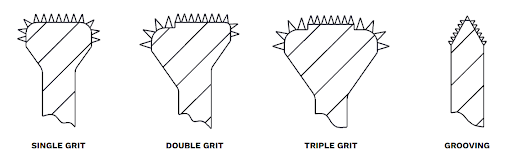
Choosing an appropriate grit size depends on whether the operation calls for aggressive stock removal or a fine, polished finish, with coarser grits suited to the former and finer grits to the latter. A rubber abrasive wheel with a softer rubber bond tends to conform more readily to irregular surfaces, while harder bonds maintain shape better under heavier pressure and higher production volumes. Matching grit and bond hardness to the specific material and desired finish helps prevent premature wheel wear and ensures consistent results across a production run. Operators often test multiple configurations before settling on the ideal combination for a specific application.
Maintaining Wheel Performance Over Time
Regular dressing and truing help maintain a wheel’s cutting efficiency, since abrasive grains can become dull or clogged with material buildup over extended use. Proper storage of a rubber abrasive wheel away from extreme temperatures also helps preserve the rubber binder’s flexibility, preventing premature cracking or hardening that could affect grinding consistency. Operators should monitor wheel wear patterns regularly, replacing wheels once they no longer produce the expected surface finish. This proactive maintenance approach helps extend tool life while maintaining consistent product quality.
Safety Considerations During Use
Operating grinding equipment requires appropriate personal protective equipment, including eye protection and respiratory gear, given the fine particulate generated during the finishing process. Ensuring a rubber abrasive wheel is properly mounted and balanced on its spindle before operation reduces the risk of vibration-related equipment damage or operator injury. Manufacturers typically specify maximum safe operating speeds for each wheel, and exceeding these limits can lead to wheel failure during use. Following manufacturer guidelines for mounting, speed, and inspection helps maintain a safe working environment throughout the grinding process.

Comparing Alternative Finishing Tools
While rubber-bonded wheels excel at producing smooth, polished finishes, other tools serve different purposes within a comprehensive finishing workflow. Tools like a carbide buffing rasp offer a more aggressive material removal option, often used in earlier stages of a finishing process before transitioning to finer abrasive tools for final polishing. Selecting the right combination of tools across a finishing sequence depends on the material hardness, desired surface texture, and production timeline involved. Understanding how these tools complement one another helps shops build a more efficient, multi-stage finishing process tailored to their specific manufacturing needs.