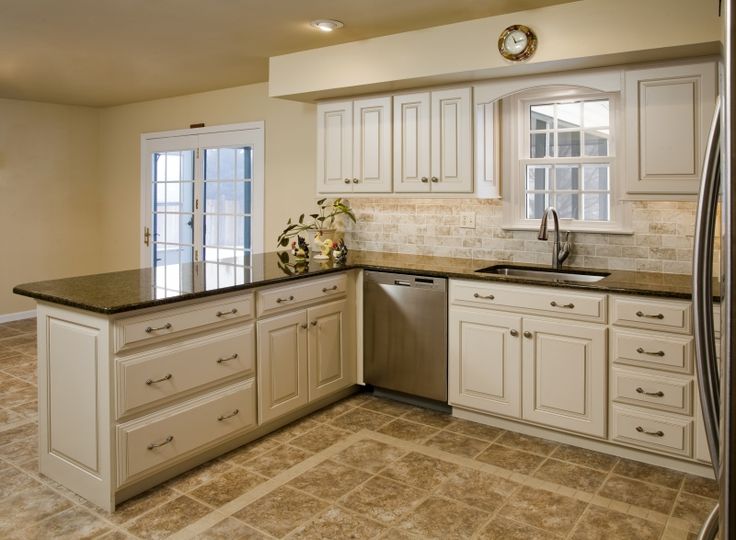
A kitchen can look attractive but still feel uncomfortable when cabinets are difficult to reach, storage is limited, or appliances interrupt movement. However, replacing cabinetry gives us an opportunity to solve these everyday problems. We can create a more useful kitchen by planning storage, cabinet dimensions, door styles, and countertop combinations together. Instead of choosing cabinets only for appearance, we should focus on how the entire space will function after the renovation.
Start With the Kitchen’s Everyday Needs
Before choosing finishes, we should understand how the current kitchen works. For example, some households need additional pantry storage, while others need wider drawers for cookware. Therefore, the first step is identifying which parts of the existing layout create daily frustration. Selecting suitable kitchen cabinets involves more than comparing door colors. We should review cabinet construction, storage features, measurements, and the relationship between base cabinets and countertops. These decisions can influence both the renovation budget and the finished kitchen’s practical value. For homeowners in Columbus, Ohio, United States, kitchen design should reflect available space and daily routines. Meanwhile, households in Dublin, Ohio, may face similar decisions when replacing older cabinetry or planning a kitchen renovation.
Evaluate the Existing Cabinet Layout
We should begin by examining the areas where storage feels limited. A lower cabinet may have enough space but remain difficult to use because items sit too far inside. Similarly, a poorly planned corner can waste room that could otherwise hold cookware. However, a complete layout change is not always necessary. Sometimes, replacing cabinets in their existing positions can provide better storage while reducing plumbing and electrical adjustments. We should compare these options before finalizing the project.

Check Appliance Clearances
Refrigerators, ovens, and dishwashers need suitable space to operate. Therefore, we should confirm appliance dimensions before choosing cabinet sizes. A cabinet door that blocks a refrigerator or dishwasher can create frustration even when the kitchen looks well organized. We should also consider walkways around the island and nearby counters. When several people use the kitchen at once, narrow passages can make cooking difficult. Accurate measurements help us understand which arrangements are practical.
Make Corner Storage More Useful
Corner cabinets often create awkward spaces because items can become difficult to reach. However, rotating shelves and pull-out systems may provide better access. We should compare these features with the actual cabinet dimensions. Not every corner requires a costly accessory. In some kitchens, simple shelves may be enough for items used less often. Therefore, the best choice depends on storage habits rather than appearance.
Compare Cabinet Construction Before Choosing Finishes
Cabinets need to handle regular opening, closing, and storage loads. However, two products with similar doors may have different box construction and hardware quality. We should examine these details before comparing prices. Cabinet boxes may contain plywood, MDF, particleboard, or other engineered materials. Each option has different characteristics, and quality can vary among manufacturers. Therefore, we should review specifications instead of assuming one material guarantees durability.
Review Drawers and Hinges
Drawers often carry cookware, utensils, and small appliances. Therefore, drawer slides should support the expected weight and provide smooth movement. Soft-close features can also make daily use more comfortable. Hinges deserve similar attention because cabinet doors open frequently. We should check adjustment options and hardware quality. A well-designed cabinet should remain practical long after installation.
Consider Cabinet Finish Maintenance
Painted cabinets provide many color choices, while stained finishes can highlight natural wood patterns. However, different finishes have different cleaning and wear characteristics. We should choose one that fits our household’s daily activities. For example, a busy family may value surfaces that are easy to wipe clean. Meanwhile, someone planning a traditional kitchen may prefer a warm wood appearance. Both choices can work when construction quality remains a priority.
Choose a Cabinet Door Style That Fits the Home
Cabinet doors influence the kitchen’s overall appearance. However, choosing a style should involve nearby countertops, flooring, backsplash materials, and appliances. A door design that looks attractive alone may not complement the rest of the room. Exploring different kitchen cabinet styles can help us compare simple modern designs with more traditional options. We should examine actual samples whenever possible because lighting and material finishes affect how cabinets appear.
Shaker Cabinets for Flexible Design
Shaker cabinets feature a framed door with a recessed center. Their simple lines can suit both modern and traditional spaces. Therefore, they offer flexibility when homeowners want a design that works with different countertop patterns. White Shaker cabinets can create a bright appearance, while wood finishes introduce warmth. However, we should compare the selected color with the room’s flooring and backsplash before making a decision.
Flat-Panel Cabinets for Modern Kitchens
Flat-panel cabinet doors have a smooth, simple appearance. They often complement modern kitchens with clean lines and minimal decoration. However, the finish can influence how visible fingerprints and marks become. We should compare matte, textured, and other suitable finishes. A simple cabinet front can help a strongly patterned countertop become the main visual feature.
Raised-Panel Cabinets for Traditional Interiors
Raised-panel cabinets contain more decorative detail. Therefore, they can complement kitchens with traditional trim, detailed hardware, and classic finishes. However, adding several decorative elements may make a compact kitchen look crowded. We should balance cabinet details with simpler surfaces when necessary. This creates a more coordinated appearance without making the design overly busy.
Plan Cabinet Storage Around Daily Activities
A useful kitchen places important items close to where we need them. Therefore, storage planning should begin with cooking, cleaning, and food preparation routines. Adding more cabinets does not automatically create better organization. We should consider deep drawers for pots and pans, dedicated space for baking trays, and accessible storage near preparation areas. Meanwhile, pantry cabinets can help organize food and smaller appliances.
Build a Practical Pantry Arrangement
Pantry storage should make products easy to see and reach. However, deep shelves can hide smaller items behind larger packages. Pull-out shelves or adjustable storage may help improve access. We should also leave suitable space for tall packages and frequently used appliances. When shelves fit their contents, the pantry becomes easier to maintain.
Avoid Overcrowding the Island
A kitchen island may provide extra drawers and seating. However, making the island too large can reduce walking space. We should consider surrounding cabinet doors and appliance clearances before selecting its dimensions. In many kitchens, a smaller island with useful storage works better than a large structure that interrupts movement.
Match Cabinets With Countertop Materials
Cabinets and countertops form two of the largest visible features in a kitchen. Therefore, their colors, patterns, and proportions should complement each other. We should consider both elements together instead of selecting them months apart. Choosing suitable kitchen countertops also involves understanding differences among granite, quartz, marble, and quartzite. These materials have different appearances and care requirements. Therefore, the best surface depends on both the selected cabinetry and household routines.
Create Balanced Color Combinations
White cabinets can complement dark granite, light quartz, or natural stone with distinct veining. Meanwhile, medium wood cabinets may work well with warm white and beige surfaces. However, undertones matter. A countertop that appears white in a photograph may have cool gray or warm cream tones. We should compare physical samples under the kitchen’s actual lighting.
Check Cabinet Support Requirements
Stone countertops can be heavy. Therefore, the supporting cabinets must provide suitable stability and alignment. The countertop material, thickness, and overhang design can affect the installation requirements. We should review support needs before ordering cabinets or approving the final countertop layout. This is particularly important when designing a large kitchen island.
Understand the Full Cabinet Project Budget
Cabinet prices depend on construction, size, finish, hardware, and storage features. However, the cabinet purchase price may not represent the complete project expense. Delivery, assembly, installation, and related work can affect the total.For homeowners in Columbus, Ohio, United States, comparing detailed cabinet proposals can help identify differences in product specifications. We should also confirm whether measurements, decorative panels, and finishing accessories are included.
Decide Where to Spend More
Durable drawer hardware and useful storage features may provide greater practical benefits than decorative accessories. Therefore, we should prioritize items that improve everyday use. However, not every cabinet needs premium organizers. We can concentrate special features in the areas where they will make the biggest difference.
Plan for Additional Kitchen Work
Replacing cabinets may affect countertops, plumbing, backsplashes, and flooring. Therefore, we should understand how the project connects with other renovation tasks. If the existing layout changes, electrical and plumbing work may also become necessary. These expenses deserve attention before ordering materials.
Review Cabinet Measurements and Delivery Details
Cabinets need accurate measurements to fit properly. However, walls and floors may not be perfectly straight or level. We should confirm the room’s dimensions and installation conditions before placing a final order. Likewise, custom-sized or specialty cabinets may require additional production time. We should coordinate purchasing with the renovation schedule so materials arrive before major work begins.
Confirm the Final Cabinet Plan
The approved plan should show cabinet sizes, appliance openings, drawer locations, and required filler panels. We should also check the position of the sink and any kitchen island. This review can help prevent costly changes after cabinets have arrived.

Final Thoughts
Choosing cabinets should begin with the way we use the kitchen, not only the colors we prefer. The right combination of layout, storage, construction quality, and countertop design can make everyday tasks easier. When planning a kitchen in Columbus, Ohio, United States, we should compare materials carefully and understand how each choice affects the complete renovation. Thoughtful preparation can help create a kitchen that feels attractive, organized, and comfortable for years.