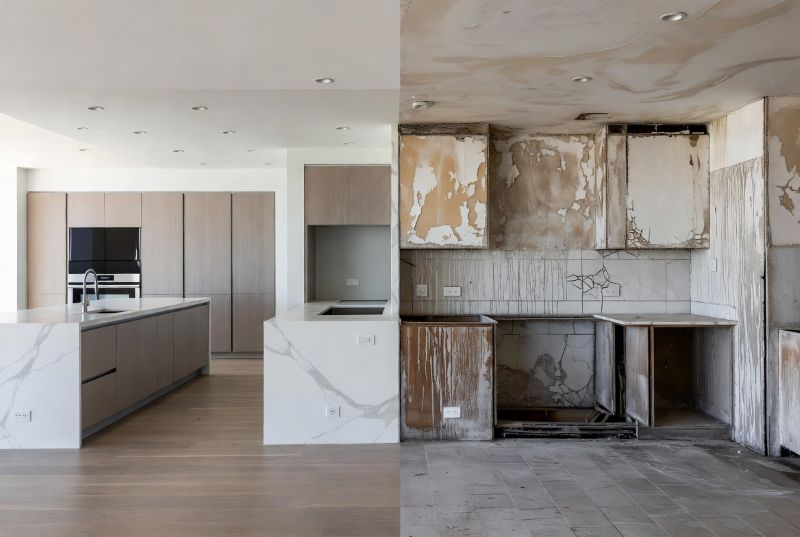
A home renovation can make everyday life more comfortable, but it also requires careful decisions. Outdated rooms, limited storage, poor lighting, and awkward layouts can affect how a family uses its home. However, changing everything at once may create unnecessary expenses. We should begin by identifying the problems that matter most. When we understand our needs, budget, and construction requirements, we can plan a renovation that supports daily living without making the project more complicated than necessary.
Understanding What a Home Renovation Should Achieve
A successful renovation should solve practical problems while creating an attractive interior. For example, a crowded kitchen may need better storage, while an older bathroom may benefit from improved lighting and easier access. Therefore, we should focus on how each room works before choosing decorative finishes. Professional home remodeling can help homeowners evaluate layouts, materials, and installation requirements. However, the scope should reflect actual household needs rather than following every popular design trend. A well-planned project connects appearance, comfort, and function. Some homeowners want to renovate one room. Meanwhile, others need improvements throughout several areas of the house. Both approaches can work when we establish clear goals and understand how one change may affect another. For homeowners in Columbia, Maryland, planning around the existing home’s condition and local project requirements can help reduce unexpected construction problems.
Identify the Most Important Renovation Priorities
Before choosing cabinets, countertops, or flooring, we should examine the current home. Which rooms create daily frustration? Where does clutter collect? Are there areas that feel dark, difficult to clean, or uncomfortable? These questions help us recognize which improvements deserve attention first.

Separate Needs From Preferences
A leaking bathroom fixture requires more urgent attention than outdated cabinet hardware. Similarly, damaged flooring may need replacement before decorative wall treatments. Therefore, we should separate necessary repairs from optional design upgrades. This approach helps protect the renovation budget. It also makes decisions easier when several improvements compete for the same funds.
Consider Future Household Needs
A home should support more than current routines. For example, a growing family may need additional storage. Meanwhile, homeowners planning to remain in the house for many years may value easier bathroom access and comfortable walking spaces. We should consider these changes early because major layout adjustments become harder after construction begins.
Create a Renovation Budget Before Selecting Materials
Budget planning is an important part of every remodeling project. However, homeowners sometimes begin shopping before understanding the complete cost. Attractive materials can quickly consume the budget, leaving insufficient funds for installation or necessary repairs. Therefore, we should establish a realistic spending range before making major purchases.
Understand the Main Cost Categories
A renovation estimate may include design, demolition, materials, labor, permits, delivery, and waste removal. Moreover, plumbing and electrical changes can affect the total. For example, replacing cabinets in their existing locations may cost less than moving plumbing connections and changing the kitchen layout. We should ask contractors to explain which activities their proposals include.
Allow for Unexpected Conditions
Older homes may contain hidden damage behind walls, floors, or cabinets. For example, removing an old bathtub may reveal moisture damage. Similarly, opening a wall can uncover wiring or framing that needs attention. Therefore, a contingency allowance can help manage unexpected work. However, we should not treat every additional expense as unavoidable. Contractors should explain the problem and obtain approval before proceeding with changes.
Understand What Home Renovations Really Cost
The average cost for home renovations can provide an initial budgeting reference. However, national averages cannot accurately predict the price of an individual project. A small cosmetic update and a major structural renovation involve very different expenses. Likewise, material quality, labor requirements, and existing conditions can change the final cost. Therefore, we should use general price guides for early planning and detailed contractor estimates for actual financial decisions.
Compare the Full Project Scope
Two renovation quotes may look different because they include different services. For example, one proposal may include flooring removal and disposal, while another excludes those activities. We should compare line items rather than focusing only on the total amount. A complete estimate makes it easier to understand where the money will go.
Plan Kitchen Improvements Around Daily Activities
The kitchen often becomes a central part of the home. However, attractive cabinets and countertops cannot fix a poor layout by themselves. We should review how people move between the sink, cooking area, refrigerator, and preparation surfaces.
Improve Storage and Organization
Deep drawers can make cookware easier to access. Meanwhile, pull-out shelves and pantry organizers can make better use of existing cabinet space. We should place frequently used items near the areas where household members need them. For example, cooking tools belong close to the range, while cleaning products should have safe, convenient storage near the sink.
Coordinate Cabinets and Countertops
Cabinets provide the supporting structure for countertops. Therefore, we should inspect cabinet stability and alignment before selecting heavy stone. A new countertop may refresh the kitchen without requiring full cabinet replacement. However, damaged cabinets may need repairs or replacement before installation. Planning these decisions together can prevent unnecessary work.
Make Bathroom Renovations More Practical
Bathroom improvements should focus on comfort, water management, and useful storage. A beautiful shower may create problems when drainage and waterproofing receive insufficient attention. Therefore, we should review both visible finishes and the construction details beneath them.
Choose a Suitable Shower Layout
The shower should provide enough room for comfortable movement. We should consider entry height, door placement, fixture locations, and storage. For example, a shower niche can keep toiletries off the floor. Meanwhile, suitable lighting can make the area easier to use.
Select Moisture-Appropriate Materials
Bathrooms experience frequent humidity and water exposure. Therefore, flooring, wall surfaces, cabinets, and installation methods must suit those conditions. We should ask about waterproofing systems and ventilation requirements before choosing finishes. A coordinated approach helps protect the completed renovation.
Improve Lighting Throughout the Home
Lighting affects comfort, appearance, and everyday activities. However, relying on one ceiling fixture may leave important work areas poorly illuminated. We should combine suitable general lighting with task lighting where needed.
Add Lighting for Specific Activities
Under-cabinet lighting can brighten kitchen preparation areas. Meanwhile, vanity lighting can make grooming tasks more comfortable. Living rooms may benefit from several light sources rather than one strong fixture. However, electrical changes should follow applicable requirements and receive professional attention when necessary.
Select Materials for Long-Term Use
Material selection should reflect how each room functions. For example, flooring in a busy entryway needs different performance characteristics from flooring in a quiet bedroom. Similarly, kitchen countertops should suit cooking habits and maintenance preferences.
Compare Maintenance Requirements
Natural stone may offer distinctive patterns but require sealing or additional care. Engineered surfaces can provide more consistent appearance and have different maintenance needs. Meanwhile, some flooring materials resist everyday moisture better than others. We should understand these differences before choosing based only on photographs.
Keep the Design Consistent
A renovation does not require identical colors in every room. However, related finishes can create a more coordinated home. For example, repeating selected wood tones or hardware finishes may help connect adjoining spaces. We should compare samples under actual home lighting before purchasing.
Create a Realistic Construction Schedule
Renovation work often involves several trades. Demolition may come before plumbing or electrical adjustments. Cabinet installation may need to finish before countertop measurements. Therefore, the project schedule should reflect these dependencies.
Understand Material Lead Times
Custom cabinets, specialty tiles, and selected fixtures may require advance ordering. However, removing usable kitchen or bathroom fixtures before replacement materials arrive can create unnecessary disruption. We should discuss purchasing and delivery dates before scheduling demolition.
Plan Around Daily Routines
Some renovations temporarily affect cooking, bathing, or access to parts of the house. Therefore, homeowners should plan alternatives during construction. For example, a kitchen renovation may require a temporary food preparation area. Clear expectations help reduce household disruption.
Choose a Remodeling Contractor Carefully
A reliable contractor should explain the project scope, material options, schedule, and responsibilities. However, a low estimate alone does not establish quality. We should review relevant experience, written agreements, and communication practices. Homeowners comparing remodeling contractors in Columbia, MD should also consider whether a company has experience with the specific type of renovation they need.
Ask About Project Responsibilities
We should clarify who handles measurements, material orders, permits, installation, and final inspections where applicable. Moreover, the agreement should describe how changes will be documented. This helps homeowners understand what to expect before work starts.
Review the Final Work
A walkthrough provides an opportunity to check finishes, doors, fixtures, and other completed details. We should also request relevant maintenance instructions. Addressing concerns before project closeout can make the handover process more effective.
Common Home Renovation Mistakes to Avoid
One common mistake is making design decisions without accurate measurements. Another involves choosing materials before confirming the installation requirements. Homeowners may also underestimate disruption or approve changes without understanding their cost. Therefore, we should review the entire project before construction begins. A clear renovation plan should connect design, materials, costs, and scheduling.

Final Thoughts
Home renovation should create meaningful improvements in everyday life. However, successful results depend on clear priorities, suitable materials, realistic budgets, and coordinated construction work. We should start by solving the problems that affect comfort and function most. With careful planning and reliable professional support, homeowners can create spaces that feel more useful, comfortable, and attractive.